




Bioidentical Hormone Replacement Therapy
Revitalize Your Prime
Hormone Replacement Therapy for Wellness at Revitalize Beauty MedSpa
As we move through our 40s, 50s, and beyond, many of us feel a subtle but steady shift: afternoon fatigue that coffee can’t fix, stubborn weight around the middle, brain fog, hot flashes, less motivation, anxiety, depression and restless nights. These changes often trace back to declining hormone levels—estrogen and progesterone in women, testosterone in men. Bioidentical Hormone Replacement Therapy (BHRT) offers a targeted, wellness-focused way to restore balance and help you feel like yourself again.
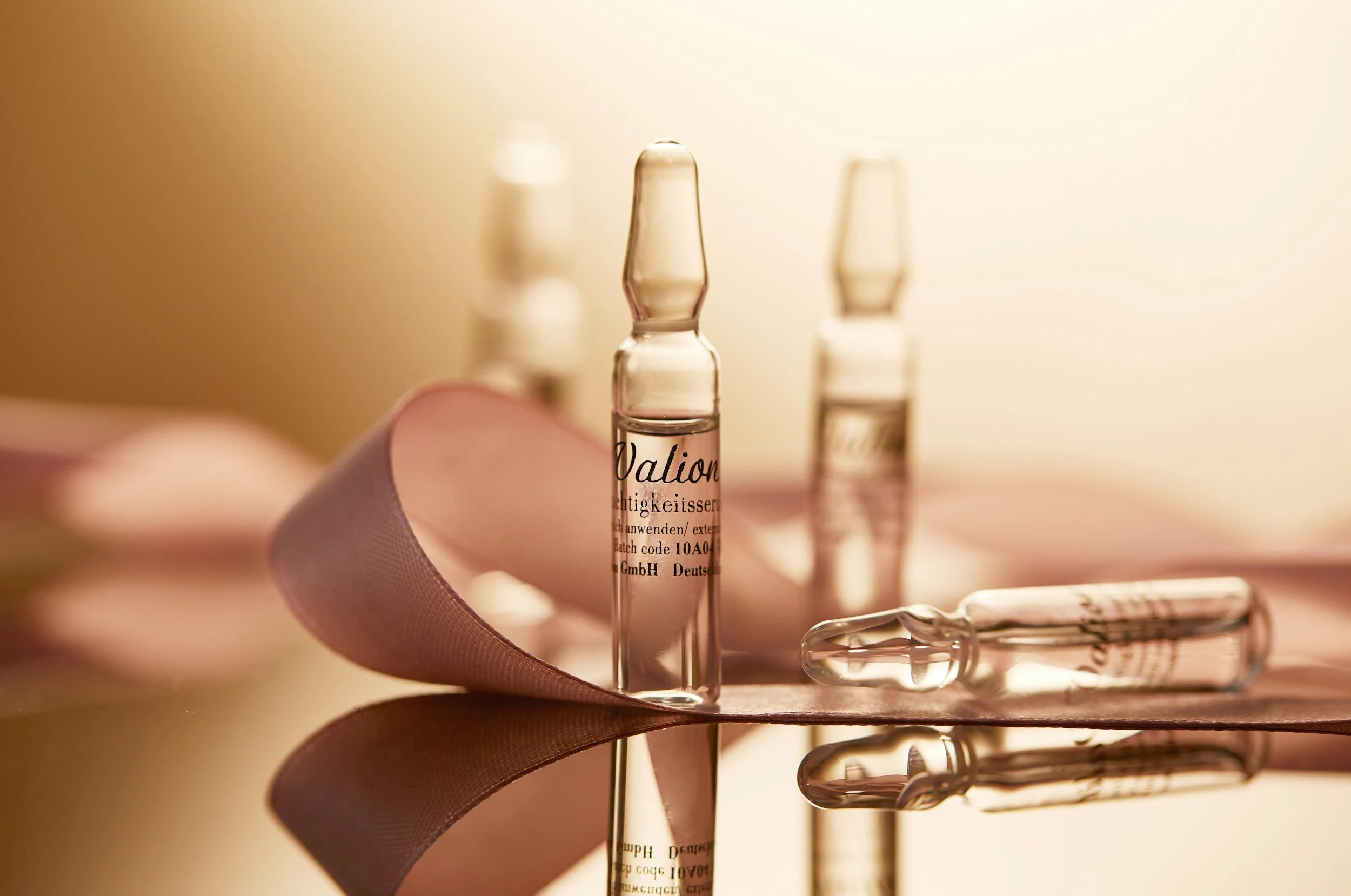
Revitalize Beauty MedSpa blends clinical precision with a relaxing environment. After a thorough consultation and lab work, a personalized treatment plan will be created spcifically for you. If appropraite, bioidentical hormones which mirror hormones your body produce may be offered to help you feel your best. Bioidentical hormones are placed during an in-office procedure in a medical-spa setting that feels more like self-care than a doctor’s visit.
Wellness benefits are what draw most people to bioidentical hormone replacement theray. Patients report steadier energy throughout the day, sharper mental focus, deeper sleep, less frequent hot flashes and a renewed sense of motivation. Libido often returns, mood stabilizes, and exercise becomes more effective—helping preserve muscle and trim fat. Skin looks firmer, younger and more hydrated, while bone density and heart-health markers can improve under medical supervision. It’s not about turning back the clock; it’s about optimizing how you feel and function right now.
At Revitalize Beauty MedSpa Dr. Kaylene Carr, MD, a Board Certified OB-GYN will review your health history and monitor hormone levels to keep everything safe and effective. If midlife has left you wondering why “normal” feels so much harder, a consultation at Revitalize Beauty MedSpa could be the first step toward reclaiming your vitality. Many patients say the real difference is they feel like they have aged backwards in their energy, sleep and focus, becoming themselves again.

Pelllecome® certified provider.
Contact us
951-482-7513
16321 Main St #210
Chino, CA 91708
Inside
Aspire Salon Studio
Available Treatments
Bioidentical Hormone Pellet Therapy for Women
As women age, hormonal decline is a natural process, but the symptoms—loss of energy, mood swings, and "brain fog"—don't have to be your new normal. Being proactive with hormone supplementation in the early stages of decline is the key to maintaining vigor and long-term health.
The Three Key Hormones
At Revitalize Beauty Medspa, our therapy focuses on balancing three essential hormones that are molecularly identical to those your body produces naturally:
Testosterone: Vital for energy, mood, metabolism, and bone/muscle health. Its decline during perimenopause is a primary cause of fatigue and loss of well-being.
Estradiol (Estrogen): Affects the brain, heart, and joints. Replacement can relieve hot flashes and insomnia while lowering risks for heart disease, osteoporosis, and dementia.
Progesterone: Used to balance estradiol, protecting the uterine lining and promoting better sleep and a calming effect.
What is Pellet Therapy?
Pellet therapy involves placing small, compounded hormone cylinders (about the size of a grain of rice) beneath the skin. These pellets provide a steady, continuous release of hormones into the bloodstream, closely mimicking the body's natural production.
The Procedure
Simple & Quick: The skin is numbed, and pellets are inserted into the fatty tissue of the upper hip through a tiny incision.
Minimal Downtime: The site is closed with a simple bandage and heals within a few days.
Long-Lasting: One insertion provides consistent therapy for 3 to 4 months.
High Quality: Pellets used at Revitalize Beauty Medspa are compounded in specialized pharmacies that follow strict FDA-enforced quality and safety standards.
Why Pellets are Superior to Other Methods
Many women find pellets more effective than traditional delivery methods because they eliminate the "roller coaster" effect of fluctuating hormone levels.
| Method | How it Works | The Downside |
|---|---|---|
| Pills | Swallowed daily | Pass through the liver, increasing the risk of blood clots and inflammation. |
| Injections | Weekly or bi-weekly shots | Create extreme "highs" and "lows" in hormone levels between doses. |
| Creams/Gels | Applied to skin daily | Low, unpredictable absorption; missing a day causes levels to crash. |
| Pellets | Under-skin reservoir | Steady, therapeutic levels for months with no daily maintenance. |
Safety and Benefits
Cancer Protection: Clinical studies suggest that bioidentical testosterone can actually be protective of the breasts, heart, and brain.
Side Effect Management: While some may experience mild acne or facial hair, these are easily managed. Most patients report exceptional symptom relief without significant side effects.
Preventative Health: Beyond symptom relief, hormone therapy is a proactive strategy to reduce the risk of colon cancer, diabetes, and osteoporosis.
Enhanced Support
At Revitalize Beauty Medspa, our pellet program includes a face-to-face evaluation every 3–4 months to review lab results and symptoms, ensuring your treatment is perfectly optimized.

FAQs
-
Bioidentical Hormone Replacement Therapy (BHRT) is a customizable treatment designed to replenish vital hormones that decline naturally with age. While frequently used to replace estrogen and progesterone to relieve menopausal symptoms like hot flashes and night sweats, BHRT is also highly effective for men experiencing age-related testosterone decline (andropause). For men, tailored testosterone therapy can address low libido, fatigue, loss of muscle mass, and mood shifts. At Revitalize BHRT is carefully monitored to balance systemic benefits against potential health risks, ensuring an optimal, individualized treatment plan.
-
Ivestment: Approximately $365.00 every 3-4 months.
Daily Cost: About $3.50 per day—often less than the cost of multiple medications for sleep, mood, and bone health.
-
Levy B, Simon JA. A Contemporary View of Menopausal Hormone Therapy. Obstet Gynecol. 2024 Jul 1;144(1):12-23.
Turner R, Kerber IJ. A theory of eu-estrogenemia: a unifying concept. Menopause, Vol. 24, No. 9, pp. 1086-1097. “Estrogen action through Estrogen Receptors is critical for homeostasis in women and men.”
Glaser R, Dimitrakakis C. Testosterone Therapy in Women: Myths and Misconceptions. Maturitas, 2013 Mar;74(3):230-4. “Abandoning myths, misconceptions and unfounded concerns about T therapy in women enables physicians to provide evidenced based recommendations and appropriate therapy.”
Bianchi VE. The Anti-Inflammatory Effects of Testosterone. The Journal of the Endocrine Society, 2018 Oct 22;3(1):91-107. “Low Testosterone level has implications for metabolic health in both males and females and should be considered a risk factor because of its correlation with metabolic syndrome and all-cause mortality.”
Samantha Worboys, et al, Evidence That Parenteral [pellet implant] Testosterone Therapy May Improve Vasodilation in Postmenopausal Women Already Receiving Estrogen, The Journal of Clinical Endocrinology & Metabolism, Volume 86, Issue 1, Jan 2001, 158–161. Supports the concept that androgens have important physiological actions in women as well as in men, and provides additional safety data pertaining to postmenopausal testosterone use.”
Britto R, Araújo L, et al. Improvement of the lipid profile in postmenopausal women who use estradiol and testosterone implants. Gynecological Endocrinology, 2012; 28(10):767-769. “The use of E and T implants showed statistically significant decrease in Total Cholesterol at the beginning of the Hormone Therapy and some decrease in LDL in the group using Hormone Therapy.”
Iellamo F,Volterrani M, Caminiti G, Karam R, Massaro R, Fini M, Collins P, Rosano GM.Testosterone Therapy in Women With Chronic Heart Failure: A Pilot Double-Blind, Randomized, Placebo-Contolled Study. Journal of the American College of Cardiology, Volume 56, Issue 16, Oct 2010, 1310-1316. “Testosterone supplementation improves functional capacity, insulin resistance, and muscle strength in women with advanced Chronic Heart Failure. Testosterone effective and safe for elderly women with Chronic Heart Failure.”
Glaser RL, Dimitrakakis C. Reduced breast cancer incidence in women treated with subcutaneous testosterone, or testosterone with anastrozole; a prospective, observational study. Maturitas, 2013; 76(4):342-9.“Testosterone and/or Testosterone+Anastrazole, delivered subcutaneously as a pellet implant, reduced the incidence of breast cancer in pre and postmenopausal women”
Glaser RL, Dimitrakakis C. Incidence of invasive breast cancer in women treated with testosterone implants: Dayton Prospective Cohort Study, 15-year update. AdvPrev MedHlthCare, 2025; 8:1070. 47% reduced incidence breast cancer w/long-term testosterone implant.
Glaser R, Dimitrakakis C, Trimble N, Martin V. Testosterone pellet implants and migraine headaches: a pilot study. Maturitas, 71 (2012) 385–388. “Continuous testosterone effective therapy in reducing severity of migraine headaches in pre- /post-menopausal women.”
Savvas M, Studd JW, Norman S, Leather AT, Garnett TJ, Fogelman I. Increase in bone mass after one year of percutaneous estradiol and testosterone implants in postmenopausal women who have previously received oral estrogens. Br J Obstet Gynaecol. 1992 Sep:99(9):757-60. “Subcutaneous estradiol and testosterone implants will result in an increase in bone mass even after many years of oral estrogen replacement therapy.”
Traish AM, Gooren L. Safety of physiological testosterone therapy in women: lessons from female-to-male transsexuals (FMT) treated with pharmacological testosterone therapy. J Sex Med. 2010 Nov;7(11):3758-64. “Treatment of FMTs with supra-physiological doses of T had minimal adverse effects. No increase in mortality, breast cancer, vascular disease, or other health problems were reported.”
Mikkola T, Tuomikoski P, Lyytinen H, Korhonen P, Hoti F, Vattulainen P, Gissler, Mika M, Ylikorkala, O. Estradiol-based postmenopausal hormone therapy and risk of cardiovascular and all-cause mortality. Menopause, Sept 2015, Vol 22, Issue 9, 976-83.“In absolute terms, the risk reductions mean 19 fewer coronary heart disease deaths and 7 fewer stroke deaths per 1,000 women using any Hormone Therapy for at least 10 years.”
Ashley B. Petrone, James W. Simpkins, Taura L. Barr. 17β-Estradiol and Inflammation: Implications for Ischemic Stroke. Aging and Disease, Volume 5, Number 5, October 2014; 340-345. “Estradiol has been shown to be a powerful immunomodulator and neuroprotective molecule in ischemic stroke.”
Matyi J, Rattinger G, Schwartz S, Buhusi M, Tschanz J. Lifetime estrogenexposure and cognition in late life: the Cache County Study. Menopause, December 2019, Volume 26, Issue 12, p 1366-1374. “Our results suggest that longer endogenous estrogen exposure and Hormone Therapy use, especially in older women, are associated with higher cognitive status in late life.”
Glaser R, Kalantaridou S, Dimitrakakis C. Testosterone implants in women: Pharmacological dosing for a physiologic effect. Maturitas 74 (2013) 179–184. “Pharmacologic dosing of subcutaneous T, as evidenced by serum levels on therapy, is needed to produce a physiologic effect in female patients.”
Glaser R, York AE, Dimitrakakis C. Beneficial effects of testosterone therapy in women measured by the validated Menopause Rating Scale (MRS). Maturitas, 2011 Apr;68(4):355-61. “Continuous testosterone alone, delivered by subcutaneous implant, was effective for the relief of hormone deficiency symptoms in both pre- and post-menopausal patients.”
Fournier A, Berrino F, Clavel-Chapelon, F. Unequal risks for breast cancer associated with different hormone replacement therapies: results from the E3N cohort study.Breast Cancer Res Treat, 2008 Jan: 107(1): 103-111. “In comparison to synthetic estrogens and synthetic progestins, bioidentical progesterone + estradiol are associated with the least risk in breast cancer (no increase in risk).
Lobo RA, et al. Back to the future: Hormone replacement therapy as part of a prevention strategy for women at the onset of menopause, Atherosclerosis, 2016 Nov;254:282-290. “We propose that HRT should be considered as part of a general prevention strategy for women at the onset of menopause.“